Navigating Alert Fatigue: Managing Real-Time Updates from Multiple Sites During Overlapping Soccer, Racing, and Tennis Events
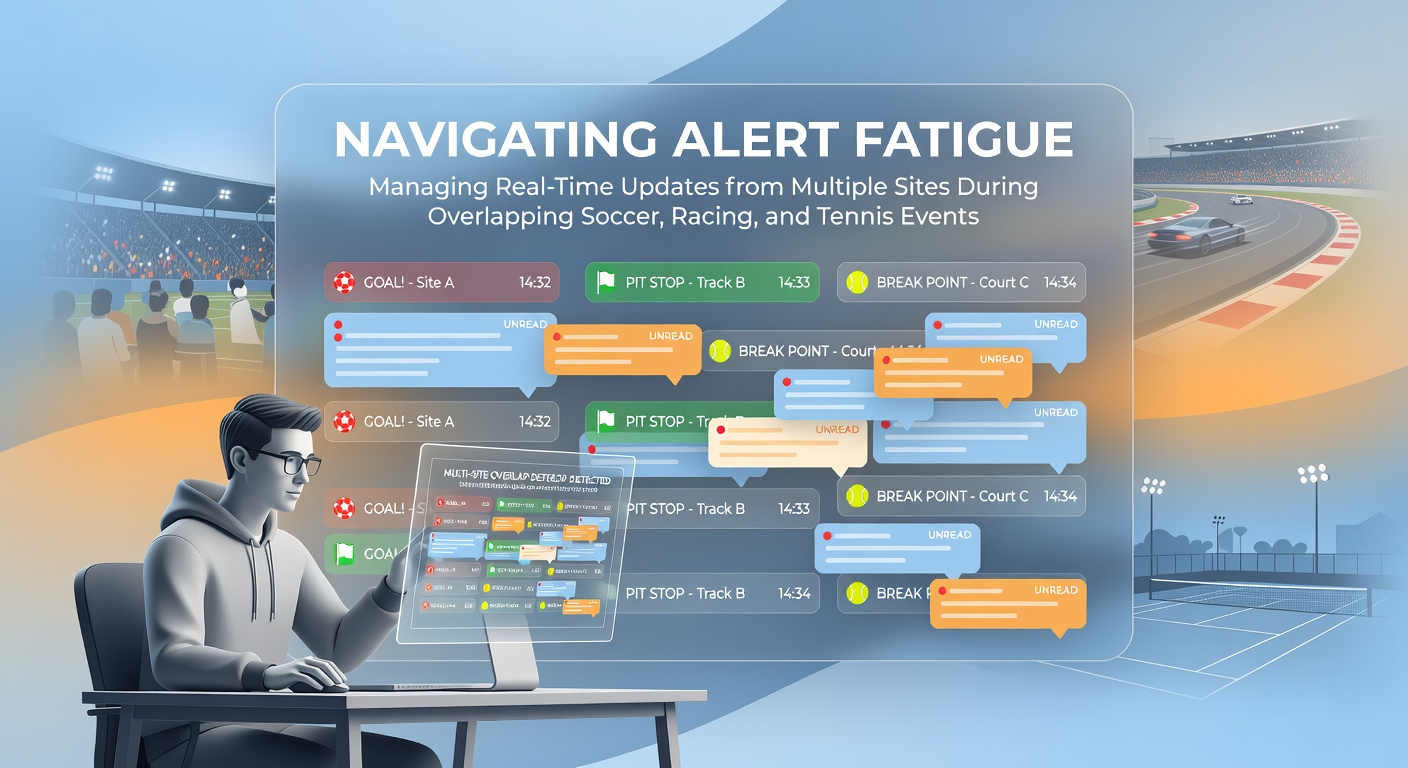
Periods of intense sports scheduling create a constant stream of notifications from various platforms, and observers note that this pattern intensifies when soccer fixtures, horse racing meetings, and tennis tournaments coincide on the same day. Data from multiple tracking services shows that users often receive dozens of updates per hour across apps and websites, which leads to divided attention and reduced ability to focus on key moments. In May 2026, schedules include late-season soccer matches alongside major racing festivals and clay-court tennis events, which means followers must handle simultaneous feeds from league standings trackers, live race results, and point-by-point score services.
Defining Alert Fatigue in Sports Contexts
Alert fatigue occurs when repeated notifications from several sources cause users to ignore or disable updates, and researchers at various institutions have documented this effect in digital environments where information arrives continuously. Studies indicate that the brain processes each ping as a potential priority, yet when events overlap, such as a soccer match running parallel to a tennis set and a race at the track, the volume exceeds typical processing capacity. Figures from digital behavior analyses reveal that participants who manage three or more sports simultaneously report higher instances of missed critical updates, including goal scorers, photo-finish decisions, or tiebreak outcomes.
Scheduling Overlaps and Notification Volume
Overlapping calendars force users to monitor multiple sites at once, and those who track English football alongside Australian thoroughbred racing plus European tennis opens encounter alerts timed within minutes of each other. One documented pattern shows morning racing results arriving while afternoon soccer previews load and evening tennis sessions begin, which creates layered notification stacks across browsers and mobile applications. According to data compiled by international media consumption reports, average users in such scenarios encounter between 40 and 70 distinct updates in a four-hour window when all three sports run concurrently.
Practical Approaches to Prioritization
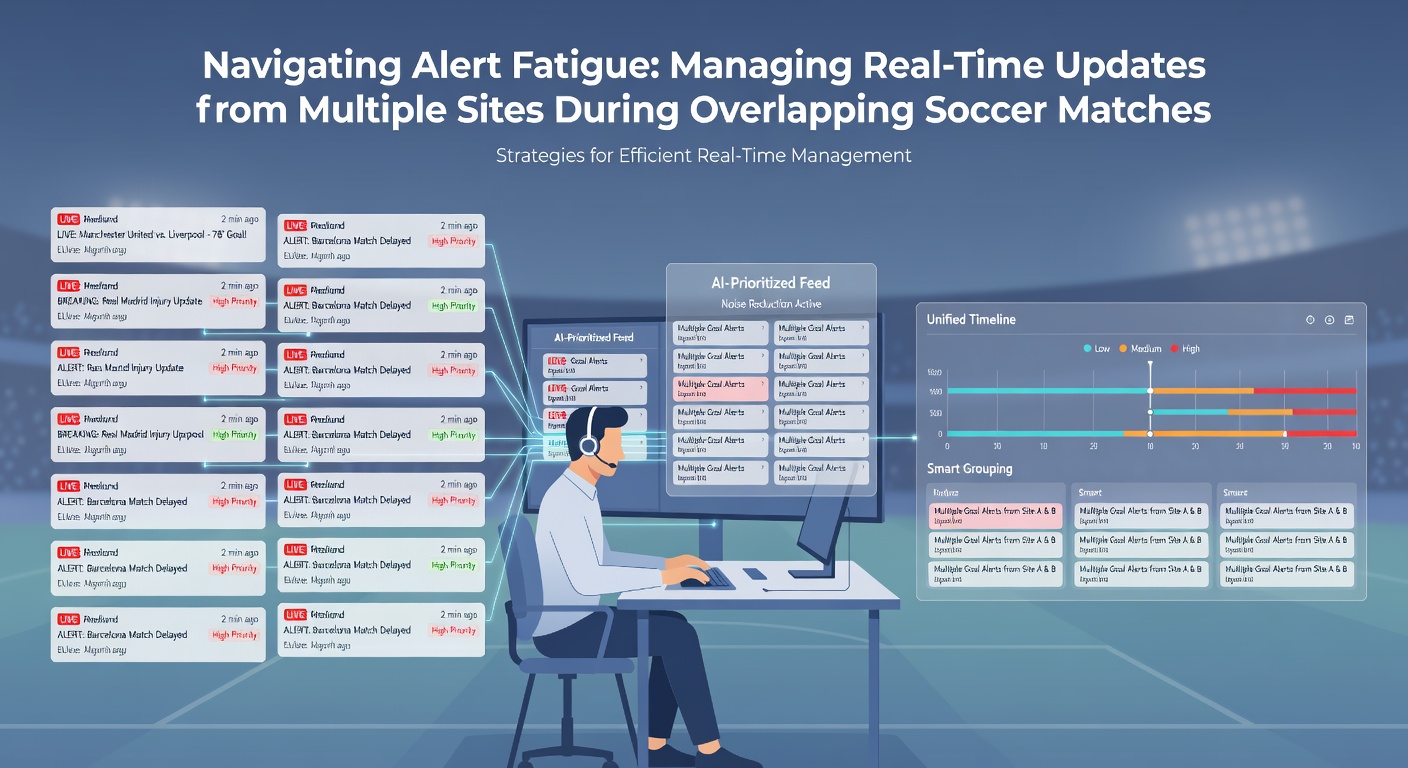
Users address volume by establishing clear filters on each platform, and evidence suggests that grouping alerts by sport rather than by source reduces overall noise. Custom rules can route soccer score changes to one channel while directing racing dividends and tennis break-point notices to separate streams, which allows quick scanning without constant device checks. Many platforms now include quiet modes that suppress secondary notifications during designated high-activity periods, and those who apply these settings report sustained engagement across events.
Another technique involves selecting primary sources for each sport and limiting secondary sites to essential data only, which cuts redundancy when a goal alert, a race position shift, and a set completion arrive at nearly the same moment. Observers have recorded that individuals who maintain a single dashboard view for all three sports experience fewer interruptions than those switching between separate applications repeatedly.
Tools That Support Better Management
Specialized aggregator services combine feeds from soccer leagues, racing authorities, and tennis governing bodies into unified streams, and these tools often include options to mute non-essential categories during peak overlap times. Integration features allow users to receive consolidated summaries every fifteen minutes instead of live pings, which maintains awareness without constant interruption. Research published through academic channels highlights that such aggregators lower cognitive load when users follow more than two sports at once.
Device-level settings also play a role, since operating systems permit per-app notification controls that can silence background alerts while preserving foreground match data. Those who combine these system features with sport-specific apps discover they can maintain coverage across soccer, racing, and tennis without triggering every minor update. International reports on digital wellness note that scheduled review periods, rather than continuous monitoring, help preserve focus during extended overlap days.
Longer-Term Adjustments
Regular evaluation of which alerts prove consistently useful leads users to refine their subscriptions, and data shows that trimming low-priority sources improves retention of important details across concurrent events. Some platforms offer weekly summaries that replace minute-by-minute notifications, and those who adopt this approach maintain awareness of standings, form, and results without hourly device engagement. Patterns observed in multi-sport followings indicate that rotating primary monitoring apps every few weeks prevents habituation to any single notification style.
Conclusion
Effective navigation of real-time updates during overlapping soccer, racing, and tennis events relies on structured filtering, selective sources, and periodic review of notification settings. Data from ongoing digital behavior studies continues to track how users adapt when schedules create simultaneous demands, and the patterns suggest that deliberate configuration of alerts supports sustained participation without overload. As calendars in future seasons maintain similar densities, these management practices remain central to handling multiple live feeds.