Altitude Adjustments: How Elevation Changes Alter Dynamics in High-Altitude Football Fixtures, Mountain Racecourses, and Elevated Tennis Tournaments
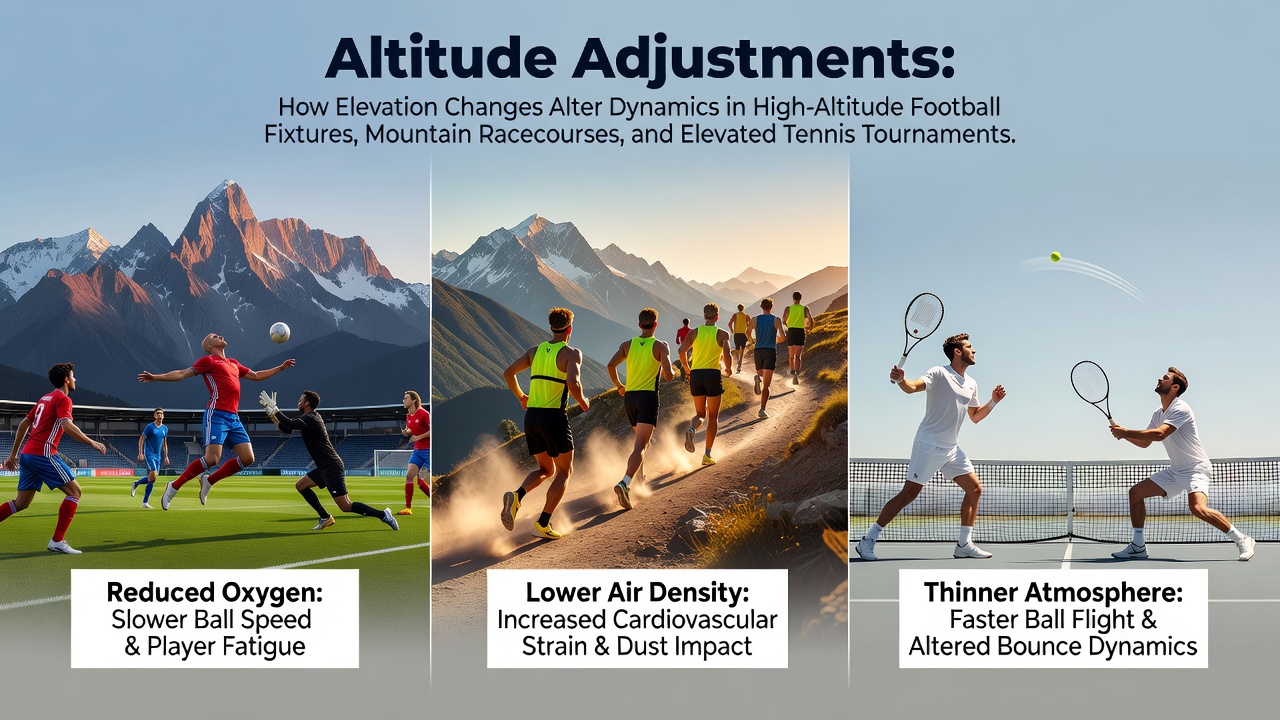
High-altitude environments reshape athletic performance through reduced oxygen availability and altered atmospheric pressure, and these factors create measurable shifts in how football matches unfold, horse races progress, and tennis rallies develop. Data from sports physiology studies show that athletes experience decreased aerobic capacity at elevations above 2,000 meters, while anaerobic efforts may gain slight advantages due to lower air resistance.
Physiological Impacts on Football at Elevation
Football fixtures in venues such as Bolivia's Estadio Hernando Siles at 3,600 meters demonstrate how visiting teams often record higher heart rates and faster fatigue onset compared to home squads who maintain consistent training at altitude. Research from the University of Calgary indicates that players require 10 to 14 days of acclimatization before oxygen uptake stabilizes, and matches frequently see reduced total distance covered by midfielders alongside increased reliance on short passing sequences. FIFA medical guidelines reference similar patterns in South American qualifiers where goal-scoring rates shift upward in the second half as unacclimated opponents tire.
Mountain Racecourses and Equine Performance
Horse racing at elevated tracks in regions like Colorado's mountain circuits or Swiss alpine venues alters stride mechanics because thinner air reduces drag yet demands greater respiratory effort from thoroughbreds. Studies conducted by the Australian Institute of Sport document that horses competing above 2,500 meters exhibit elevated lactate thresholds earlier in races, prompting trainers to adjust pacing strategies during steeplechase events. Track surfaces at these heights also dry faster under lower humidity, which changes footing consistency and influences split times recorded during summer meets.
Tennis Dynamics on Elevated Courts
Tennis tournaments held at high-elevation sites such as Bogotá's Club El Nogal or certain ATP Challenger events in the Andes show ball trajectories that travel farther because of decreased air density, and this forces players to recalibrate swing speeds and spin application. Observations compiled by the International Tennis Federation note that serve speeds can increase by 3 to 5 percent at 2,600 meters while bounce heights decrease slightly on hard courts, leading competitors to favor flatter groundstrokes over heavy topspin. Data collected during July 2026 events highlighted how acclimated players maintained rally lengths comparable to sea-level matches whereas newcomers required multiple days to adjust timing on returns.
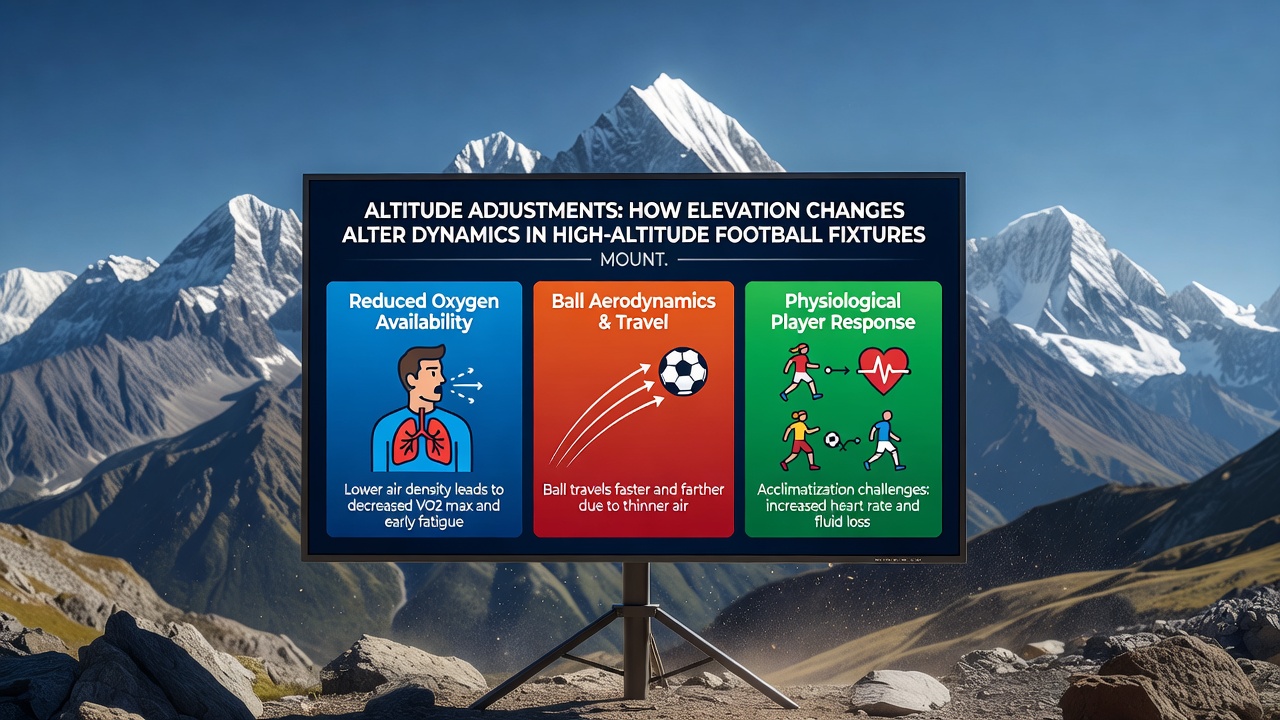
Coaches across these sports implement targeted protocols including hypoxic tents and interval training at simulated altitudes, and these methods help stabilize red blood cell counts before competition. European athletics federations report that integrated altitude camps lasting three weeks produce measurable improvements in endurance metrics for both footballers and tennis players preparing for elevated fixtures.
Training Adaptations and Recovery Patterns
Recovery timelines lengthen at altitude because lower oxygen slows muscle repair processes, and nutrition strategies therefore emphasize increased iron intake along with monitored hydration to offset respiratory water loss. One case documented by researchers at the University of Colorado Boulder involved a professional cycling team that transitioned to mountain racecourse preparation and recorded a 7 percent rise in time-trial performance after structured acclimatization blocks. Similar approaches appear in football academies operating in the Andes where youth squads rotate between lowland and highland facilities to build resilience.
Equipment adjustments also factor into performance shifts. Tennis rackets strung at lower tensions help counter the livelier ball flight at elevation, while footballs with adjusted inflation pressures maintain consistent aerodynamics. Racehorse equipment such as lighter saddles and specialized breathing aids appear more frequently at mountain tracks according to veterinary reports from regional governing bodies.
Conclusion
Altitude continues to influence competitive outcomes across football, horse racing, and tennis through predictable physiological and environmental mechanisms, and governing organizations maintain ongoing monitoring programs to ensure athlete safety and competitive fairness at these venues. Continued research supports refined preparation methods that allow participants to manage elevation-related variables effectively.